
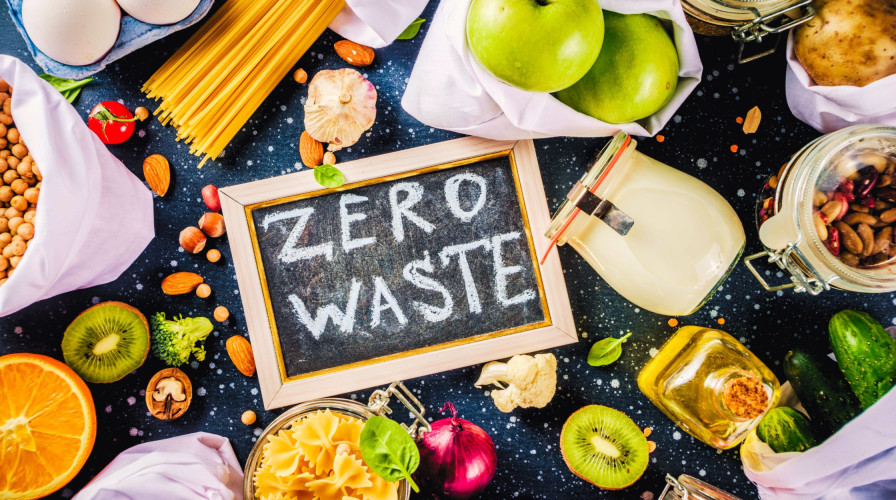
Innovative Solutions to Tackle Food Waste: Reducing and Reusing for a Sustainable Future
Food waste is a growing global issue, with significant environmental, economic, and social impacts. As the world grapples with the challenge of feeding a growing population, innovative solutions to reduce and reuse food waste are more critical than ever. Here are some ground-breaking strategies and practices making a difference in the fight against food waste.
Reducing Food Waste at the Source
Smart Inventory Management
Retailers and restaurants are adopting advanced inventory management systems to minimize overstocking and spoilage. By using AI and data analytics, these systems predict demand more accurately, ensuring that food is ordered and stocked in optimal quantities.
Portion Control
Restaurants are offering smaller portion sizes and customizable meal options to help reduce plate waste. By allowing customers to choose their portion sizes, eateries can cut down on excess food that would otherwise be discarded.
Innovative Reuse Strategies
Food Upcycling
Upcycling is a creative way to turn food by-products and surplus ingredients into new, valuable products. Companies are transforming items like vegetable peels and spent grain into nutritious snacks, flour, and even beverages. This not only reduces waste but also creates new revenue streams.
Donation Programs
Food donation programs connect surplus food from restaurants, grocery stores, and farms with local food banks and shelters. These initiatives ensure that edible food reaches those in need instead of ending up in landfills. Apps and online platforms are making it easier than ever to facilitate these connections in real-time.
Technological Interventions
Smart Packaging
Innovations in packaging are extending the shelf life of food products. Smart packaging technologies include time-temperature indicators, moisture absorbers, and ethylene absorbers, which help keep food fresh for longer and reduce spoilage.
Biodegradable Packaging
Replacing traditional plastic packaging with biodegradable alternatives made from materials like cornstarch, mushroom roots, and seaweed reduces environmental impact and helps manage food waste more sustainably.
Community and Educational Efforts
Awareness Campaigns
Raising awareness about food waste and its consequences is essential. Educational campaigns in schools, communities, and online platforms encourage individuals to adopt waste-reducing habits such as meal planning, proper storage, and composting.
Community Fridges
Community fridges are becoming popular in urban areas, where residents can share excess food. These fridges, placed in accessible locations, are stocked by community members and local businesses, providing a practical solution to food insecurity and waste.
Conclusion
The fight against food waste requires a multifaceted approach involving technology, community effort, and innovative thinking. By adopting these solutions, we can make significant strides toward a more sustainable and equitable food system. Reducing and reusing food waste not only conserves resources but also helps mitigate climate change and supports those in need.
Related Tag :